

AUSRESCA recognises outstanding contributions from emergency services personnel across Australia. Categories are structured to reflect the breadth of service and align with Rotary’s motto, Service Above Self.
- Distinctions: Volunteer and Staff categories where applicable.
- Values alignment: Integrity, respect, inclusion, safety, and community impact guide every selection.
Who can be nominated:
- Current or recently serving emergency services personnel (volunteer or employed) operating in ACT, NSW and Victoria.
- Nominees must meet any residency/employer requirements outlined in the Nomination Guide and have a minimum relevant service period.
- Community nominations are encouraged; self-nominations are not accepted.
- A Winner of these Awards previously as a Volunteer of the Year and/or Officer in Paid Capacity is ineligible to be nominated.
- A Finalist in these Awards, is ineligible to be nominated again within a period of 5 years.
Key conditions:
- Nominee’s conduct must align with organisational codes and AUSRESCA values.
- Local, state/territory, or national contributions are all eligible if impact is demonstrated.
- Exclusions may apply to individuals with unresolved disciplinary matters or conflicts—see the Nomination Guide.
Questions? Refer to the Nomination Guide or FAQs.
Category List
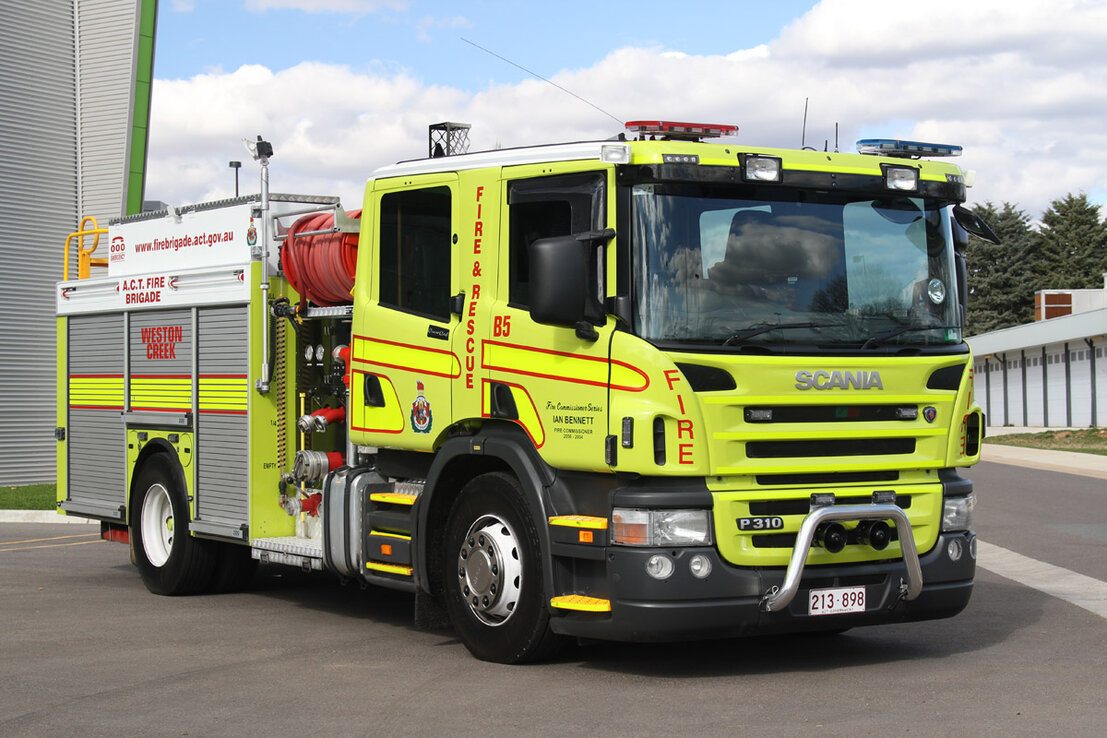
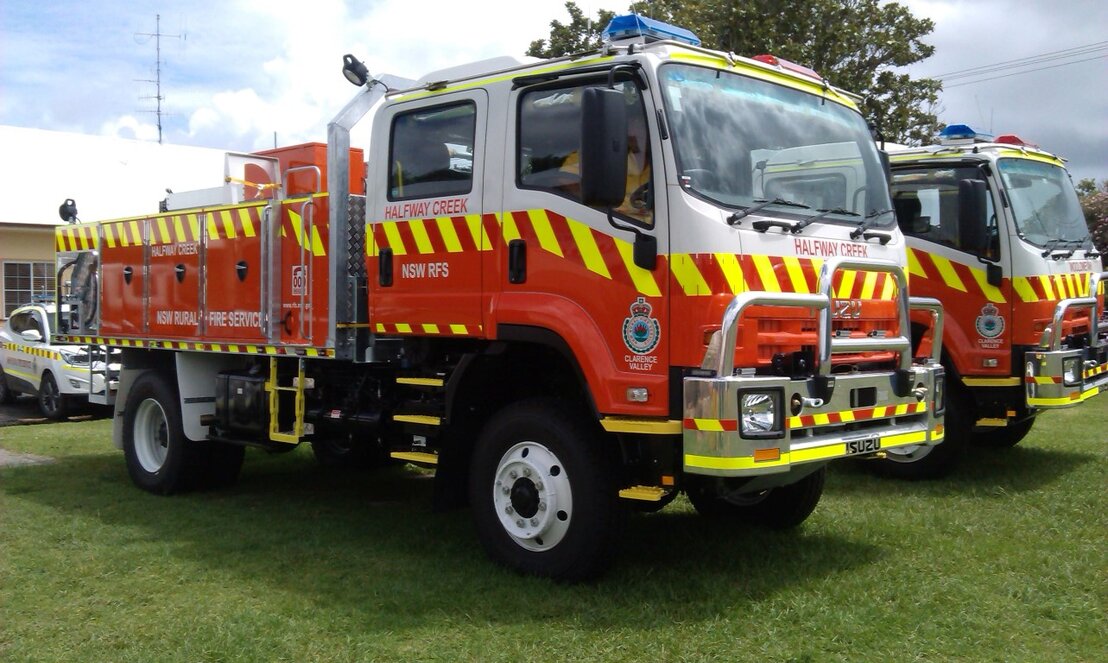
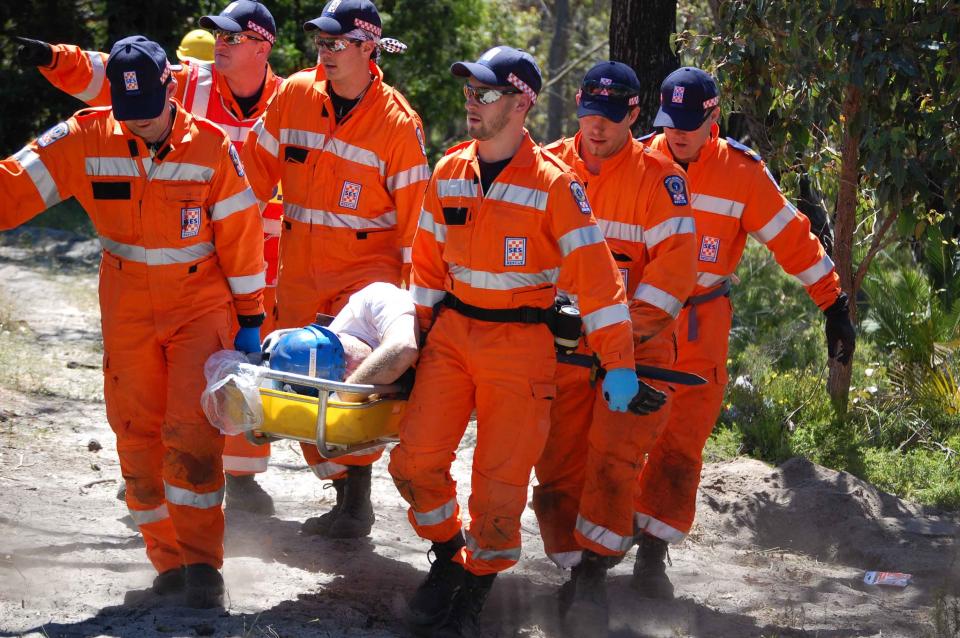

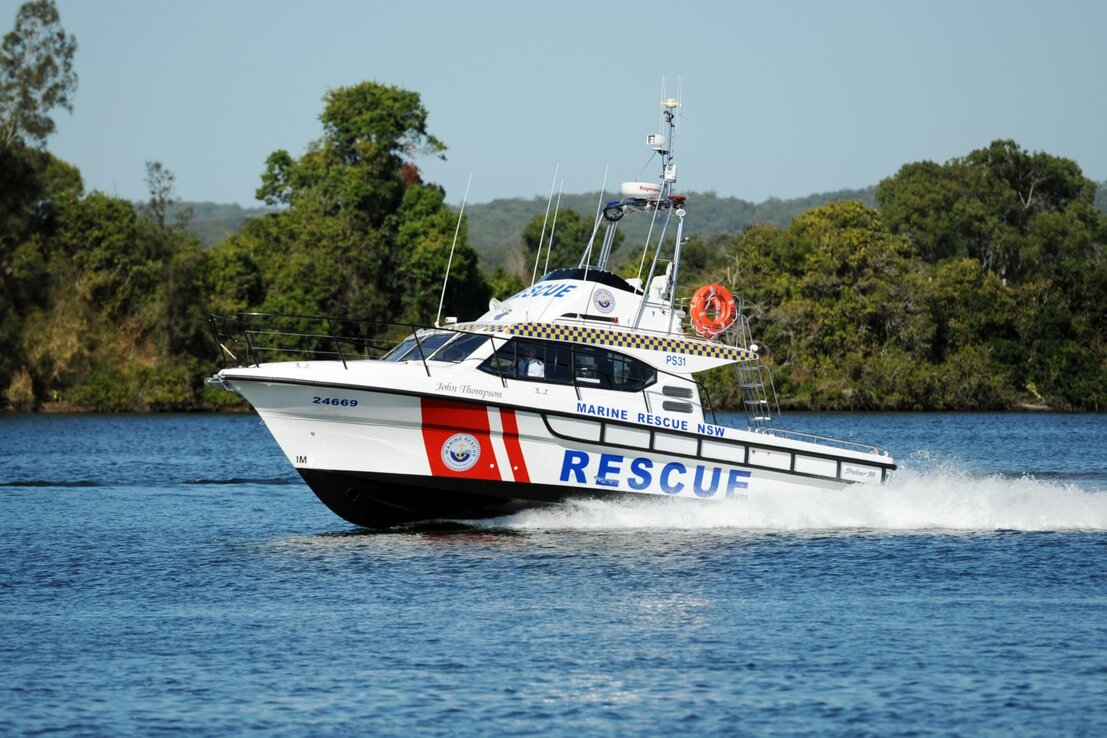
Our judges apply a weighted framework to ensure fair, transparent assessment across categories:
- Service Above Self (40%) — What has the person you are nominating done within their ESA role that demonstrates Service Above Self (i.e. above and beyond their normal paid or unpaid role within their Agency)
- Community Service (50%) — Their Community Service, include how long they have demonstrated Service Above Self (unselfish volunteer service).
- Normal Duties (10%) — What are the normal/usual duties of the person you are nominating as an Emergency Service Member?
See the Scoring Framework for more detail.
Strengthen your nomination by including:
- Specific stories: What happened, who benefited, and why it mattered.
- Metrics: Quantify impact where possible (responses led, hours volunteered, incidents reduced).
- Testimonials: Short quotes from community leaders, peers, or beneficiaries.
- Supporting documents: Public commendations, training records, media clippings (no confidential material).
For formatting tips and templates, visit the Nomination Guide.
- Paid promotions or sponsorship buys—nominations are community-driven and merit-based.
- Confidential or operationally sensitive information—do not include restricted content.
- Unverified claims—provide context or references for impact statements.
- Purely tenure-based recognition—impact and service quality are prioritised over years alone.
- Self-authored testimonials without corroboration—include external endorsements where possible.
Timeline overview (check the Judges & Process page for any updates):
- Nominations open: 2 March
- Nominations close: 30 April
- Judging: May/June
- Finalists announced: July
Learn more about how entries are reviewed on Judges & Process and see practical steps in the Nomination Guide.